Meta Invests $100 Million in South Carolina Solar Farm to Power AI Data Center

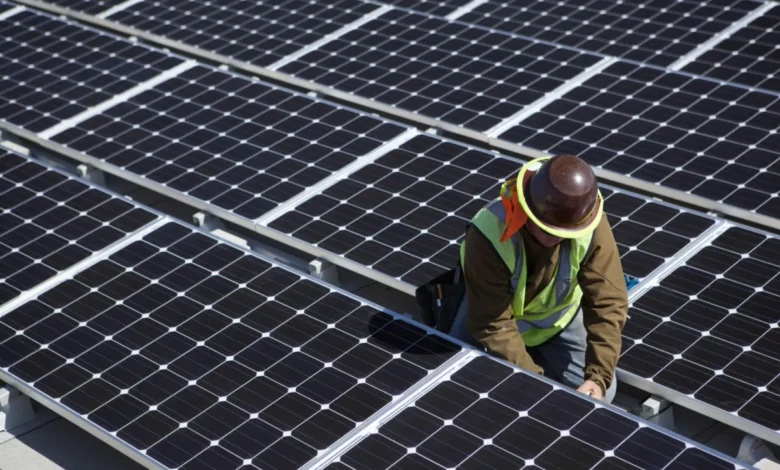
Meta has finalized an agreement with solar developer Silicon Ranch to construct a substantial 100-megawatt solar farm in South Carolina, representing a significant investment of $100 million. This renewable energy project is specifically designed to provide the power necessary for Meta’s upcoming $800 million artificial intelligence (AI) data center slated for the same state. Both the solar installation and the AI facility are projected to commence operations in 2027, marking a critical step in Meta’s ongoing expansion and its commitment to sustainable technology infrastructure.
The announcement underscores Meta’s aggressive pursuit of renewable energy solutions to fuel its rapidly growing digital operations, particularly its burgeoning AI initiatives. The decision to locate both the data center and its dedicated power source in South Carolina highlights the state’s attractiveness for large-scale technology investments, potentially signaling a broader trend of renewable energy development being intrinsically linked to the growth of advanced computing infrastructure.
A Deepening Partnership for a Sustainable Future
This latest venture marks the 18th collaboration between Meta and Silicon Ranch, a testament to a robust and evolving partnership. Over the years, these combined efforts have reportedly catalyzed over $2.5 billion in investments in renewable energy projects. This extensive track record suggests a well-established synergy between the two companies, enabling efficient project development and deployment.
The companies have emphasized that a significant portion of the equipment for the new South Carolina solar farm will be manufactured within the United States. This commitment to domestic sourcing not only supports American manufacturing jobs but also aligns with broader governmental initiatives aimed at strengthening domestic supply chains for critical technologies and clean energy infrastructure.
Meta’s Accelerating Renewable Energy Portfolio
The South Carolina solar farm is part of a larger, ambitious renewable energy strategy by Meta. This year alone, the social media giant has significantly expanded its solar capacity, adding over 2 gigawatts. This rapid growth reflects the increasing energy demands of its global operations, driven by advancements in AI, virtual reality, and the continuous expansion of its social media platforms.
Earlier in 2025, Meta secured a substantial agreement with developer Invenergy for multiple projects in Ohio. This deal, announced in June, aimed to bolster Meta’s renewable energy portfolio by adding significant solar capacity. Prior to that, in May, Meta announced its collaboration with AES to develop 650 megawatts of solar power across Kansas and Texas. These projects are crucial for powering Meta’s data centers, which are the backbone of its digital services and are increasingly being optimized for AI workloads.
Further expanding its reach in Texas, Meta has also partnered with Engie and Zelestra. These collaborations are developing nearly 800 megawatts of additional solar capacity, demonstrating a multifaceted approach to securing renewable energy across various regions and through different developer partnerships. This strategic diversification ensures a more resilient and robust energy supply chain for Meta’s data centers.
The Strategic Imperative: Net-Zero Goals and Economic Advantages
Meta’s sustained investment in renewable energy, particularly solar power, is driven by a dual set of strategic imperatives. Firstly, it is a critical component of the company’s commitment to achieving net-zero carbon emissions. As a global technology leader, Meta faces increasing scrutiny and stakeholder pressure to operate sustainably and mitigate its environmental impact. By sourcing a significant portion of its energy from renewable sources, Meta can demonstrably reduce its carbon footprint and contribute to global climate goals.
Secondly, and perhaps more pragmatically for large-scale infrastructure development, solar power offers significant economic advantages. In recent years, the cost of solar energy has fallen dramatically, making it one of the most affordable sources of electricity available. For hyperscale data centers, which consume vast amounts of energy, the cost of power is a major operational expense. By locking in long-term, low-cost solar power agreements, Meta can achieve substantial savings on its energy bills.
Furthermore, the ability to deploy solar farms relatively quickly helps to reduce "time-to-power," a critical factor for any new data center. The development and commissioning of new energy infrastructure can be a lengthy process, and bottlenecks in power supply can delay the launch and operation of vital data centers. By integrating renewable energy development directly with its data center construction plans, Meta can streamline this process and bring its new facilities online more efficiently. This strategic approach to energy procurement is crucial for maintaining its competitive edge in the fast-paced technology sector.
The Growing Role of AI Data Centers
The construction of a new $800 million AI data center in South Carolina is a clear indicator of Meta’s intensified focus on artificial intelligence. AI technologies, from machine learning algorithms to large language models, require immense computational power, which in turn demands substantial and reliable energy sources. Data centers designed for AI workloads are often more power-intensive than traditional facilities due to the specialized hardware, such as GPUs (Graphics Processing Units), that are essential for AI processing.
The development of the 100-megawatt solar farm alongside the data center signifies a holistic approach to infrastructure planning. This integrated strategy ensures that the significant energy demands of advanced AI operations are met with clean, renewable energy from the outset. This not only supports Meta’s environmental objectives but also positions the company to operate its AI facilities with greater cost predictability and potentially lower long-term energy expenses.
Broader Implications for the Renewable Energy Sector and Economic Development
The substantial investment by Meta and Silicon Ranch in South Carolina has broader implications beyond the immediate needs of the tech giant. For Silicon Ranch, it represents a significant project that further solidifies its position as a leading solar developer. The company’s focus on American-made equipment also contributes to the growth and resilience of the domestic solar manufacturing industry.
For South Carolina, the project signifies substantial economic development. The construction of the solar farm and the data center will create numerous jobs, both directly and indirectly, through the supply chain and related service industries. Furthermore, it positions the state as a hub for advanced technology and renewable energy, potentially attracting further investment in these sectors. The commitment to using domestically manufactured equipment for the solar farm could spur further growth in local manufacturing capabilities.
The trend of major technology companies directly investing in renewable energy infrastructure is a powerful signal to the market. It demonstrates that renewable energy is no longer just a corporate social responsibility initiative but a core business strategy, driven by both environmental commitments and economic realities. This trend is likely to accelerate the transition to a cleaner energy grid and encourage further innovation and investment in the renewable energy sector globally. The symbiotic relationship between the growth of AI and the expansion of renewable energy infrastructure is becoming increasingly evident, shaping the future of both technology and sustainable development.
Related posts: